Ozempic (Semaglutide): Clinical Reference and Application Analysis
In modern medicine addressing type 2 diabetes and its cardiovascular and renal complications, Ozempic (semaglutide) represents a milestone advancement in GLP-1 receptor agonist therapy. As a prescription medication administered once weekly by subcutaneous injection, Ozempic has accumulated extensive clinical evidence supporting its role in glycemic control and multi-organ protection. MedArts Pharmacy is committed to providing healthcare professionals and qualified institutions with accurate pharmaceutical information to support evidence-based clinical decision-making.
What is Ozempic used for?
Ozempic (semaglutide) is commonly used for the following conditions.
- To help lower blood sugar levels in people with type 2 diabetes
- To lower the risk of major cardiovascular problems (heart attack, stroke, or death) in people who have type 2 diabetes and heart disease
- To reduce the risk of worsening kidney function, kidney failure, and cardiovascular death in people who have type 2 diabetes and chronic kidney disease
Your Guide to Ozempic for Diabetes – What You Need to Know
These uses may vary depending on the specific Ozempic product prescribed. Ozempic may also be used for other conditions as determined by your health care provider.
How does Ozempic work (mechanism of action)?
Ozempic works to improve blood sugar in 3 different ways. Ozempic works to stimulate your pancreas to release more insulin after you eat, prevents your liver from releasing stored sugars, and slows down the movement of food through your body.
How is Ozempic supplied (dosage forms)?
Brands and other names
- Ozempic
Dosage forms and strengths
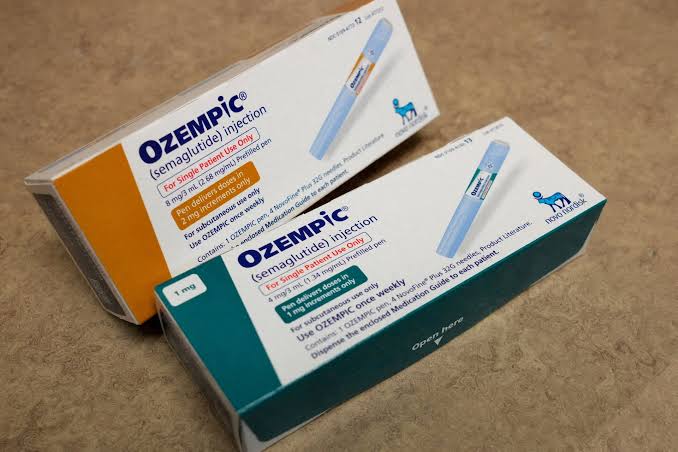
- 0.25 mg, 0.5 mg, 1 mg, and 2 mg solution for injection in pre-filled pens
- 1.5 mg, 4 mg, and 9 mg oral tablets
How should I store Ozempic?
Injection Pen. Before using Ozempic, store in the refrigerator between 36 F and 46 F (2 C and 8 C). Unused Ozempic can be stored in the fridge until its expiration date. Once you start using an Ozempic pen, you can store it at room temperature between 59 F and 86 F (15 C and 30 C) in a place that is not exposed to direct sunlight or in the refrigerator between 36 F and 46 F (2 C and 8 C) for up to 56 days. Keep the cap on the pen when you are not using Ozempic. When storing Ozempic in the refrigerator, do not store the medicine next to the cooling element in the refrigerator. Do not use Ozempic if it has been frozen.
Oral Tablet. Ozempic oral tablets should be stored at room temperature, between 68 F and 77 F (20 C and 25 C). The medicine can be exposed to temperatures between 59 F and 86 F (15 C and 30 C) for shorter periods of time, such as when transporting it. Store in a cool, dry place. Store in the original bottle.
Side Effects
What are the most common side effects of Ozempic?
The most common side effects of Ozempic are listed below. Tell your health care provider if you have any of these side effects that bother you.
- Nausea
- Vomiting
- Diarrhea
- Stomach pain
- Constipation
There may be other side effects of Ozempic that are not listed here. Contact your health care provider if you think you are having a side effect of a medicine. In the U.S., you can report side effects to the FDA at www.fda.gov/medwatch or by calling 800-FDA-1088 (800-332-1088). In Canada, you can report side effects to Health Canada at www.health.gc.ca/medeffect or by calling 866-234-2345.
What are the serious side effects of Ozempic?
While less common, the most serious side effects of Ozempic are described below, along with what to do if they happen.
Severe Allergic Reactions. Ozempic may cause allergic reactions, which can be serious. Stop using Ozempic and get help right away if you have any of the following symptoms of a serious allergic reaction.
- Breathing problems or wheezing
- Racing heart
- Fever or general ill feeling
- Swollen lymph nodes
- Swelling of the face, lips, mouth, tongue, or throat
- Trouble swallowing or throat tightness
- Itching or skin rash
- Bumps on the skin called hives that can be red, pink, white, or brown depending on your skin tone
- Nausea or vomiting
- Dizziness, feeling lightheaded, or fainting
- Stomach cramps
- Joint pain
Pancreatitis. Ozempic may cause inflammation of the pancreas, which is called pancreatitis. Stop using Ozempic and call your health care provider right away if you have symptoms of pancreatitis including vomiting or severe pain in the upper part of your belly that travels to your back.
Low Blood Sugar (Hypoglycemia). Ozempic may cause low blood sugar (hypoglycemia), usually when used with a sulfonylurea (glimepiride, glyburide, glipizide) or insulin, which can be serious and may lead to death. Stop using Ozempic and call your health care provider right away if you have any of the following symptoms of hypoglycemia.
- Headache
- Crankiness or anxiety
- Hunger
- Dizziness, or confusion, or drowsiness
- Blurry vision
- Slurred speech
- Sweating
- Feeling jittery or shakiness
- Fast heartbeat
- Weakness
Thyroid Tumors. Ozempic may cause thyroid tumors, including a type of cancer called medullary thyroid carcinoma (MTC). Stop using Ozempic and call your health care provider right away if you have symptoms of MTC including swelling or a lump in the neck, trouble swallowing, shortness of breath, or hoarseness.
Vision Changes. If you have an eye condition called diabetic retinopathy, your vision may temporarily worsen when you start Ozempic or a higher dose. Tell your health care provider if you notice vision changes, and make sure to keep all appointments to have your eyes checked.
Kidney Damage. Kidney damage can happen when using Ozempic, especially if you are dehydrated from having severe or ongoing nausea, vomiting, or diarrhea. Try to drink water to avoid dehydration. Call your health care provider right away if you have any of the following symptoms of kidney damage.
- Reduced need to pee
- Swelling in your feet, ankles, or legs
- Weakness or unusual tiredness
- Trouble catching your breath or chest pain/pressure
- Confusion
- Nausea
- Seizures
Severe Stomach Problems. Ozempic may cause severe stomach problems. Call your health care provider right away if you have any of the following symptoms that are severe or will not go away.
- Nausea, vomiting, diarrhea, or constipation
- Feeling bloated
- Stomach pain or cramps
Gallbladder Problems. Using Ozempic can cause gallbladder problems, including cholecystitis and cholelithiasis, which is also known as gallstones. Call your health care provider right away if you have any of the following symptoms.
- Fever
- Your skin or the whites of your eyes turning yellowish in color (also called jaundice)
- Pain in your upper stomach area
- Stool (poop) that is clay-colored
Warnings & Precautions
Who should not use Ozempic?
Allergies to Ingredients. People who are allergic to any of the following should not use Ozempic.
- Ozempic
- Semaglutide
- Any of the ingredients in the specific product dispensed
Your pharmacist can tell you all of the ingredients in Ozempic.
Thyroid Cancer or Endocrine Condition. Ozempic should not be used if you or someone in your family has had medullary thyroid carcinoma (MTC) or if you have a condition called Multiple Endocrine Neoplasia syndrome type 2 (MEN 2). Talk to your health care provider about your current and past health conditions and your family medical history.
What should I know about Ozempic before using it?
Do not use Ozempic unless it has been prescribed to you by a health care provider. Use it as prescribed.
Do not share Ozempic with other people, even if they have the same condition as you. If you use the injection, never share pens or needles with others. Sharing may harm them or you.
Keep Ozempic out of the reach of children. Since this medicine can be kept in a refrigerator, take special precautions to keep it away from children who also use the refrigerator.
If you have nausea, vomiting, or diarrhea, drink plenty of water, so that you do not get dehydrated.
Ozempic injection should be used on the same day each week, at any time of day.
Ozempic tablet should be taken by mouth when you first wake up, on an empty stomach, with no more than 4 ounces of plain water. See the Interactions section for more details.
Do not split, crush, dissolve, or chew Ozempic tablets.
Read and follow the instructions for the product you have and make sure you understand how to use it properly. If you have any questions, talk to your health care provider.
What should I tell my health care provider before using Ozempic?
Tell your health care provider about all of your health conditions and any prescription or over-the-counter (OTC) medicines, vitamins/minerals, herbal products, and other supplements you are using. This will help them know if Ozempic is right for you.
In particular, make sure that you discuss any of the following.
Slowed Stomach Emptying. Tell your health care provider if you have a condition called gastroparesis. Symptoms may include heartburn, nausea, and feeling bloated or full quickly after eating.
Upcoming Surgery or Procedures. Ozempic slows the movement of food through your digestive system. If you have an upcoming surgery or procedure, tell your health care provider that you use Ozempic. Your risk of food getting into your lungs during anesthesia or sedation may be higher.
Pancreatitis. Tell your health care provider if you have ever had pancreatitis. Your health care provider may choose another medicine to treat your type 2 diabetes.
Kidney Problems. Tell your health care provider if you have kidney problems, including chronic kidney failure, as this may worsen while using Ozempic.
Vision Problems. Tell your health care provider if you have diabetic retinopathy or have had vision problems related to your diabetes. Your health care provider may check your vision while using Ozempic.
Low Blood Sugar (Hypoglycemia). Talk to your health care provider about low blood sugar and how to manage it. Tell your health care provider about any medicines you are taking for diabetes.
Other Medicines and Supplements. Ozempic may interact with other medicines and supplements. Before using Ozempic, tell your health care provider about any prescription or over-the-counter (OTC) medicines, vitamins/minerals, herbal products, and other supplements you are using. See the Interactions section for more details.
Pregnancy. It is not known if or how Ozempic could affect pregnancy or harm a fetus. Tell your health care provider if you are or plan to become pregnant. You should stop using Ozempic at least 2 months before you plan to become pregnant. Your health care provider will let you know if you should take Ozempic while you are pregnant or trying to get pregnant.
Breastfeeding. It is not known if semaglutide (the active medicine in Ozempic) passes into breast milk. Tell your health care provider if you are breastfeeding or plan to breastfeed. Your health care provider will let you know if you should use Ozempic injection while breastfeeding. However, breastfeeding is not recommended while taking Ozempic tablets because the tablets contain an ingredient called SNAC that passes into breast milk and may cause serious side effects in a breastfed baby. The injection form of Ozempic does not contain SNAC.
How can I get more information about Ozempic?
For more information about Ozempic, you can visit the drugmaker’s website at www.ozempic.com or call them at 774-345-9825