
Diazepam: A Clinical Reference Guide for Healthcare Professionals
Diazepam, perhaps best known under the brand name Valium, remains one of the most widely recognized benzodiazepines in clinical practice. First approved in 1963, this medication has been a staple in the management of anxiety disorders, acute alcohol withdrawal, muscle spasticity, and certain seizure disorders. At Medical Arts Pharmacy, we provide healthcare professionals with accurate, up-to-date prescribing information to support safe and informed clinical decision-making.
What is Diazepam?
Diazepam is a long-acting benzodiazepine that produces its effects through enhancement of gamma-aminobutyric acid (GABA), the primary inhibitory neurotransmitter in the central nervous system. It is available in multiple dosage forms, including oral tablets (2 mg, 5 mg, and 10 mg), oral solutions, injectable formulations, and rectal gels. The versatility of diazepam across different routes of administration makes it a valuable tool in both outpatient and acute care settings.
How It Works
Diazepam binds to the benzodiazepine site on GABA-A receptors, increasing the frequency of chloride channel opening and thereby enhancing GABA-mediated neuronal inhibition. This results in anxiolytic, sedative, muscle-relaxant, and anticonvulsant effects. The onset of action varies by route: oral administration typically produces effects within 30 to 60 minutes, while intravenous administration acts within minutes. Diazepam is extensively metabolized in the liver via CYP3A4 and CYP2C19 pathways, producing active metabolites including desmethyldiazepam, which contribute to its prolonged duration of action.
Benefits and Clinical Advantages
Diazepam’s clinical utility spans multiple therapeutic areas. For anxiety disorders, it provides short-term relief of symptoms, particularly in acute situations where rapid calming is required. In acute alcohol withdrawal, diazepam is effective in managing agitation, tremor, and impending delirium tremens. Its muscle-relaxant properties make it useful as an adjunct in treating skeletal muscle spasm due to local pathology, upper motor neuron disorders, and conditions such as stiff-person syndrome. Additionally, diazepam is employed adjunctively in seizure disorders and for pre-procedural sedation.
Safety and Responsible Usage Considerations
Diazepam carries significant safety considerations that all clinicians must respect. Concomitant use with opioids can result in profound sedation, respiratory depression, coma, and death; such combinations should be reserved for patients for whom alternative treatments are inadequate. The medication carries risks of abuse, misuse, and addiction, and prolonged use can lead to physical dependence and withdrawal reactions that may be life-threatening if abrupt discontinuation occurs. A gradual taper is essential when discontinuing diazepam after extended use. Common adverse reactions include drowsiness, fatigue, muscle weakness, and ataxia. Diazepam is contraindicated in patients with acute narrow-angle glaucoma, severe respiratory insufficiency, severe hepatic impairment, and sleep apnea syndrome. Elderly patients and those with hepatic impairment require reduced doses due to increased sensitivity.
Longevity and Storage Life
Diazepam oral tablets and solutions should be stored at controlled room temperature between 20°C and 25°C (68°F to 77°F) in tightly closed, light-resistant containers. Protect from light and moisture. The shelf life for most commercially available diazepam products is typically 24 to 36 months from the date of manufacture when stored under recommended conditions. Always verify the expiration date on the specific product label.
Ingredients / Composition
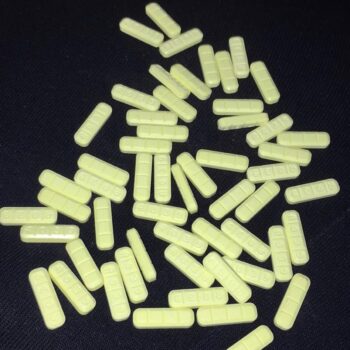
Diazepam tablets contain the active ingredient diazepam alongside inactive excipients that may include anhydrous lactose, microcrystalline cellulose, magnesium stearate, and pregelatinized starch. Coloring agents vary by strength (e.g., D&C Yellow No. 10 for 5 mg tablets; FD&C Blue No. 1 for 10 mg tablets). Diazepam oral solution contains diazepam USP with inactive ingredients such as propylene glycol, polyethylene glycol, citric acid, and flavoring agents.
Usage Areas for Clinical Reference
Diazepam is indicated for the treatment of anxiety disorders, short-term relief of anxiety symptoms, acute alcohol withdrawal, adjunctive treatment of skeletal muscle spasm, and adjunctive treatment of seizure disorders. The effectiveness of diazepam for long-term use beyond four months has not been systematically evaluated, and periodic reassessment of continued need is recommended.
For healthcare professionals seeking reliable pharmaceutical information and compliant sourcing for clinical settings, Medical Arts Pharmacy serves as a trusted partner committed to accuracy and professional integrity.